

Record spending measure sparks debate over Iran and Israel.
-

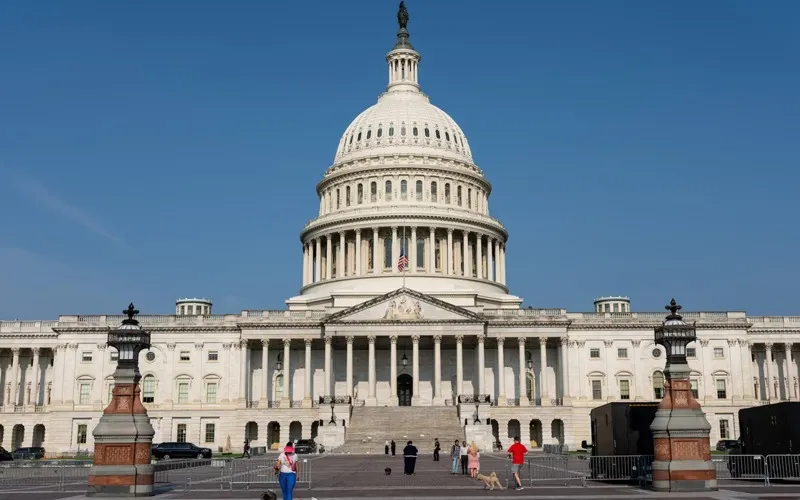
WASHINGTON: The US House of Representatives narrowly passed a $1.15 trillion defence policy bill on Wednesday, despite strong Democratic opposition over its record military spending, the ongoing Iran conflict and expanded defence cooperation with Israel.
The fiscal year 2027 National Defense Authorization Act (NDAA) was approved by a 216-212 vote, largely along party lines. Most Republicans supported the legislation, while nearly all Democrats voted against it, citing concerns over its cost and foreign policy implications.
The bill authorises funding for military operations, defence modernisation and service member benefits, including pay raises of up to 7%, improvements to military housing and investment in defence systems and equipment.
Republicans argued the funding is necessary to strengthen national security and support US forces engaged in ongoing military operations.
Democrats criticised the legislation’s record defence spending at a time when the federal government is reducing funding for domestic social programmes.
They also opposed continued US military involvement in Iran, which the Pentagon estimates has cost $37.5 billion, and objected to a provision that would significantly expand military technology cooperation between the United States and Israel.
Read More: Madison Sheahan quits ICE post ahead of US House bid in Ohio
The measure became more politically contentious after House Republicans attached it to the SAVE America Act, a Trump-backed voting bill aimed at tightening election rules before sending the package to the Senate. The move could complicate the legislation’s path, as the voting measure currently lacks sufficient support in the Senate.
The NDAA has been enacted annually for 65 consecutive years and is traditionally regarded as must-pass legislation. However, this year’s bill faces greater uncertainty amid sharp political divisions over defence spending, the Iran conflict, military assistance to Israel and Ukraine, and other domestic policy issues.
The Senate’s version of the defence bill was blocked by Democrats last week, although Republican leaders have pledged to bring it back for consideration before Congress begins its August recess.
The House and Senate must now reconcile their separate versions of the NDAA before a final bill can be approved by both chambers and sent to President Donald Trump for signing or veto.

