



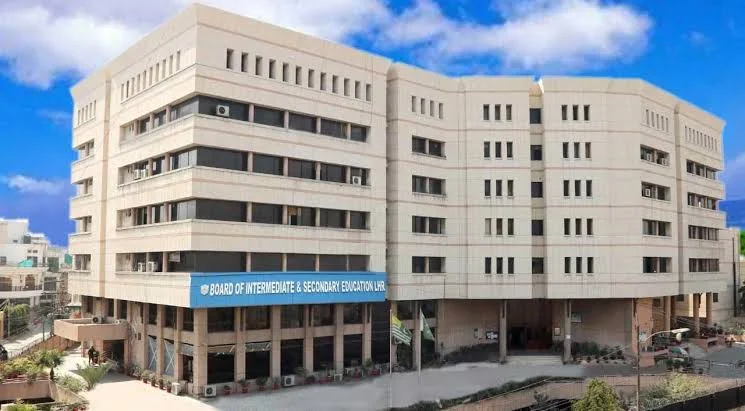

LAHORE: The Board of Intermediate and Secondary Education (BISE) Lahore has announced the results of the Class 9 annual examinations, with the performance of students from government schools raising concerns over educational standards.
According to the Lahore Board, only 39 per cent of students from government schools passed the examination, while 61 per cent failed, highlighting a significant gap in academic performance.
The results also revealed a notable gender disparity among government school students. As many as 72 per cent of boys failed the Class 9 examination, compared with 52 per cent of girls.
The performance of private school students was considerably better. According to the results, around 70 per cent of students from private schools passed the ninth-grade examination.
Overall, the Lahore Board recorded a 46.51 per cent pass rate, meaning that fewer than half of the students who appeared for the examination were successful.
A total of 280,676 candidates appeared in the Class 9 annual examinations, of whom 130,543 were declared successful, while 150,133 failed.
The figures indicate a substantial difference between students studying in government and private institutions, raising questions about the quality of teaching, learning resources, classroom conditions and academic support available in the public-school system.
The particularly high failure rate among government school boys is also likely to fuel debate over gender-based differences in educational performance and the factors contributing to the disparity.
The results come at a time when improving the quality of public education remains a major challenge for Pakistan’s education system. The wide gap between government and private school outcomes may prompt renewed scrutiny of teaching standards, teacher training, student attendance, assessment practices and access to educational resources.
With more than 150,000 students failing the examination under the Lahore Board, the results underscore the need for a closer examination of the factors behind the low pass rate and stronger measures to improve learning outcomes at the secondary level.

