



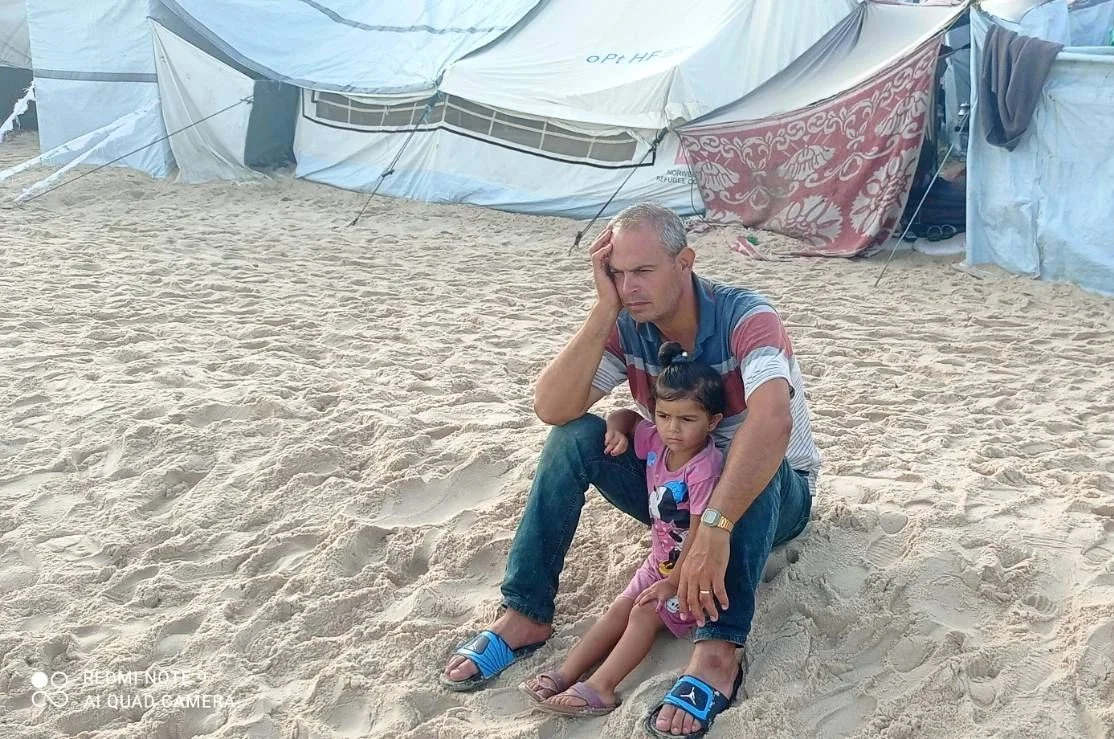

LEEUWARDEN: Dutch social worker and lecturer Ellen De Bruin has described the humanitarian situation in Gaza as a continuing struggle for basic survival, saying families are facing severe shortages of food, clean water, medicine and shelter.
Speaking in an interview with JP Global, De Bruin, who said she has worked with refugees and is also a human rights activist, explained how she first established direct contact with a family in Gaza in March last year after being approached through LinkedIn.
“At first I thought, what is this? Is this real? Is somebody trying to get money from me?” De Bruin said. However, as she communicated with the family, she said she began to recognize stories similar to those she had encountered among other people experiencing displacement and hardship.
De Bruin said the direct contact changed the way she viewed the conflict. While she had previously followed developments in Gaza through news reports, she said communicating directly with families gave her a more personal understanding of the humanitarian crisis.
Aid remains far below what is needed
Discussing the role of major humanitarian organizations, including the United Nations and the Red Cross, De Bruin said aid agencies were doing what they could but were unable to meet the scale of the needs.
According to De Bruin, around 120 aid trucks were being allowed to enter Gaza each day at the time of the interview, while she said approximately 600 trucks were needed to restore humanitarian conditions to a basic level.
level.
She said essential supplies including clean water, medicine and food remained urgently needed. Hospitals require medicines not only for emergency operations but also for patients suffering from chronic illnesses, while children and babies also require medical treatment.
De Bruin further described the difficult conditions faced by displaced families living in tents or damaged buildings. She said many people need stronger tents, construction materials and adequate shelter, particularly as extreme heat is followed by the prospect of rain and colder weather.
‘People must not forget Gaza’
De Bruin also questioned why the international community has struggled to respond effectively despite widespread awareness of the suffering.
She said political leaders often approach Gaza through geopolitical considerations, while ordinary people around the world have continued to demonstrate solidarity through protests, fundraising campaigns and other initiatives.
“Gaza does not have a voice,” De Bruin said, pointing to the killing of journalists and the difficulty of keeping international attention focused on the territory.
She encouraged people to speak out, support humanitarian efforts and remind governments that public concern has not disappeared.
Building personal connections
De Bruin said she currently remains in contact with four families in Gaza. One family she described includes two teachers and six children.
De Bruin has also organized fundraising through platforms such as GoFundMe, sharing updates about how donations are used.
She described the fundraising campaign, which she said has continued for around a year and a half, as almost a diary of the family’s experience—from obtaining a tent to enduring periods of severe food shortages.
For De Bruin, the experience demonstrates that humanitarian action can begin with something simple: seeing people not as statistics, but as human beings.
“Everybody can do this,” she said, urging people to continue supporting Gaza and keeping its humanitarian crisis in the public eye.

