

Islamabad: A Senate committee has raised serious questions over the legality of tariff increases approved by the Pakistan Telecommunication Authority (PTA), after an audit found that mobile operator Jazz may have recovered billions of rupees from consumers through higher package prices.
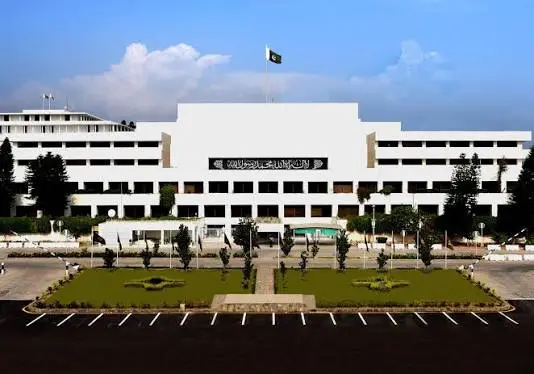
The issue came under discussion during a meeting of the Senate Standing Committee on IT and Telecom, where audit officials and PTA representatives disagreed over the regulatory basis for allowing tariff increases.
According to the audit findings, Jazz’s tariff collections were estimated at Rs6.58 billion above PTA-approved rates. A separate calculation based on an alternative methodology put the disputed amount at around Rs920 million.
The audit team argued that the controversy goes beyond Jazz and raises questions about the PTA policy that permitted telecom operators to increase package prices by up to 15% per quarter.
Audit officials told the committee that the policy itself could conflict with existing consumer-protection rules. They referred to Regulation 10(1)(l) of the Telecom Consumer Protection Regulations 2009, which restricts operators from charging consumers above approved tariff rates.
The auditors also questioned the impact of repeated tariff increases on consumers. They said the quarterly mechanism could effectively allow substantial cumulative increases over a year. The audit further alleged that some Jazz packages were increased beyond the permitted 15% threshold during 2022 and 2023.
PTA officials, however, defended the regulator’s position. They maintained that the authority has the power to permit telecom companies to raise package prices within the prescribed 15% limit.
The disagreement prompted a heated exchange during the committee meeting, particularly over whether the PTA’s tariff policy itself complied with the applicable regulations.
An audit team that visited PTA headquarters in December 2025 reportedly confirmed that the regulator had allowed Jazz to raise tariffs by 15%. However, questions remained over the policy framework and the documentation supporting those approvals.
The committee also examined Jazz’s rising revenues. The company’s revenue increased from Rs172.24 billion in 2020 to Rs328 billion in 2024, representing an increase of roughly 90%. During the same period, average package prices reportedly rose by as much as 45.6%.
Senator Kamran Murtaza proposed that the matter be referred to the National Accountability Bureau (NAB) for further investigation, while IT Minister Shaza Fatima Khawaja called for a comprehensive forensic review.
The committee also raised questions about the tariff documentation, including concerns over the placement of signatures on one of the relevant documents.
The audit has recommended involving the Competition Commission of Pakistan and conducting a forensic examination of the PTA’s tariff approvals. The Senate panel has directed the relevant authorities to submit complete records and explain the legal basis for the tariff increases.
The dispute now places greater scrutiny on both Jazz’s tariff practices and the regulatory framework under which Pakistan’s telecom operators are allowed to raise consumer prices.

