

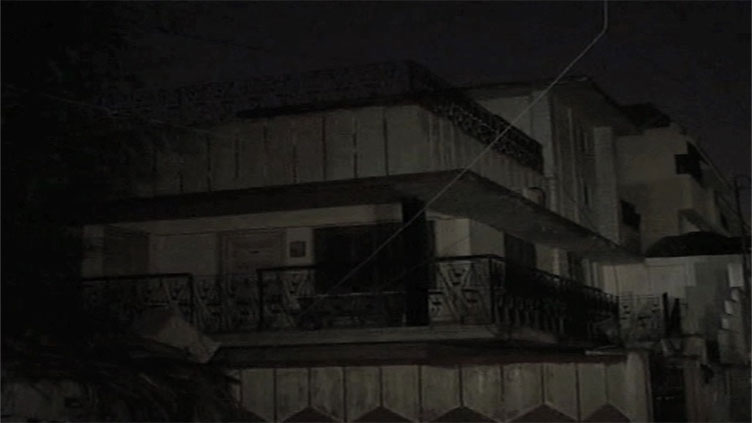
At 1:15 a.m., the real cost of Lahore’s power crisis is measured not in kilowatts, but in exhaustion.
In Dubai Town, just off the busy Raiwind Road, a middle-income residential neighborhood falls into darkness as the city around it remains brightly illuminated. Despite its name—a reference to a city in UAE where electricity shortages are virtually unimaginable—residents say nighttime blackouts have become a regular part of life.
Inside a tightly packed home in Dubai Twon and Sher Shah Colony, the sudden silence of a dying fan can wake sleeping children within minutes. With summer temperatures soaring, stagnant air quickly turns bedrooms into ovens.
“This is our routine every single night,” an elderly resident says, sitting outside and waving a cardboard fan. “They cut the power when the heat is unbearable. My son has to drive a loader pickup at 7 a.m., but he hasn’t slept properly for weeks.”
While the Lahore Electric Supply Company (LESCO) has repeatedly highlighted efforts to minimize load shedding in urban areas, residents of Dubai Town and Sher Shah Colony describe a very different reality: frequent and sometimes unannounced nighttime outages that disrupt sleep, work and household routines.
The Burden of High-Loss Feeders
The situation also raises questions about revenue-based load management. In areas classified as “high-loss” feeders—where electricity theft, technical losses or unpaid bills are considered significant—distribution companies may impose greater load shedding.
Residents argue that this effectively amounts to collective punishment.
“I pay my bill of Rs25,000 every month on time,” says Muhammad Rizwan, a local shopkeeper. “Why should I sit in darkness at 2 a.m.? If there is theft, catch the thieves. Don’t punish everyone.”
Residents also complain that outages are not always reflected clearly in official load-shedding schedules. Instead, they may appear as technical faults, transformer overloads or forced load management, making it difficult for consumers to understand why their electricity has disappeared.
The contrast is particularly striking because Dubai Town sits near some of Lahore’s wealthier gated communities and commercial developments.
From rooftops, residents can see illuminated billboards, commercial buildings and brightly lit housing societies while their own streets remain dark.
“The inequality is visible from our roofs,” Rizwan says. “For people who cannot afford solar systems or generators, summer nights become a test of survival.”
The consequences extend beyond inconvenience. Repeated sleep disruption can affect concentration, mood and productivity, particularly for workers who must leave home early in the morning.
Doctors also warn that prolonged sleep deprivation can contribute to anxiety, fatigue and worsening cardiovascular risks among vulnerable adults.
For residents of Dubai Town and Sher Shah Colony, the issue is therefore not simply about having lights or fans.
It is about whether ordinary consumers should continue paying the price for problems they did not create.
As Punjab endures another punishing summer, the dark streets of Raiwind Road offer a stark reminder of Lahore’s unequal power landscape: for some, electricity is taken for granted. For others, staying cool—and getting a few hours of sleep—has become a nightly struggle.

