

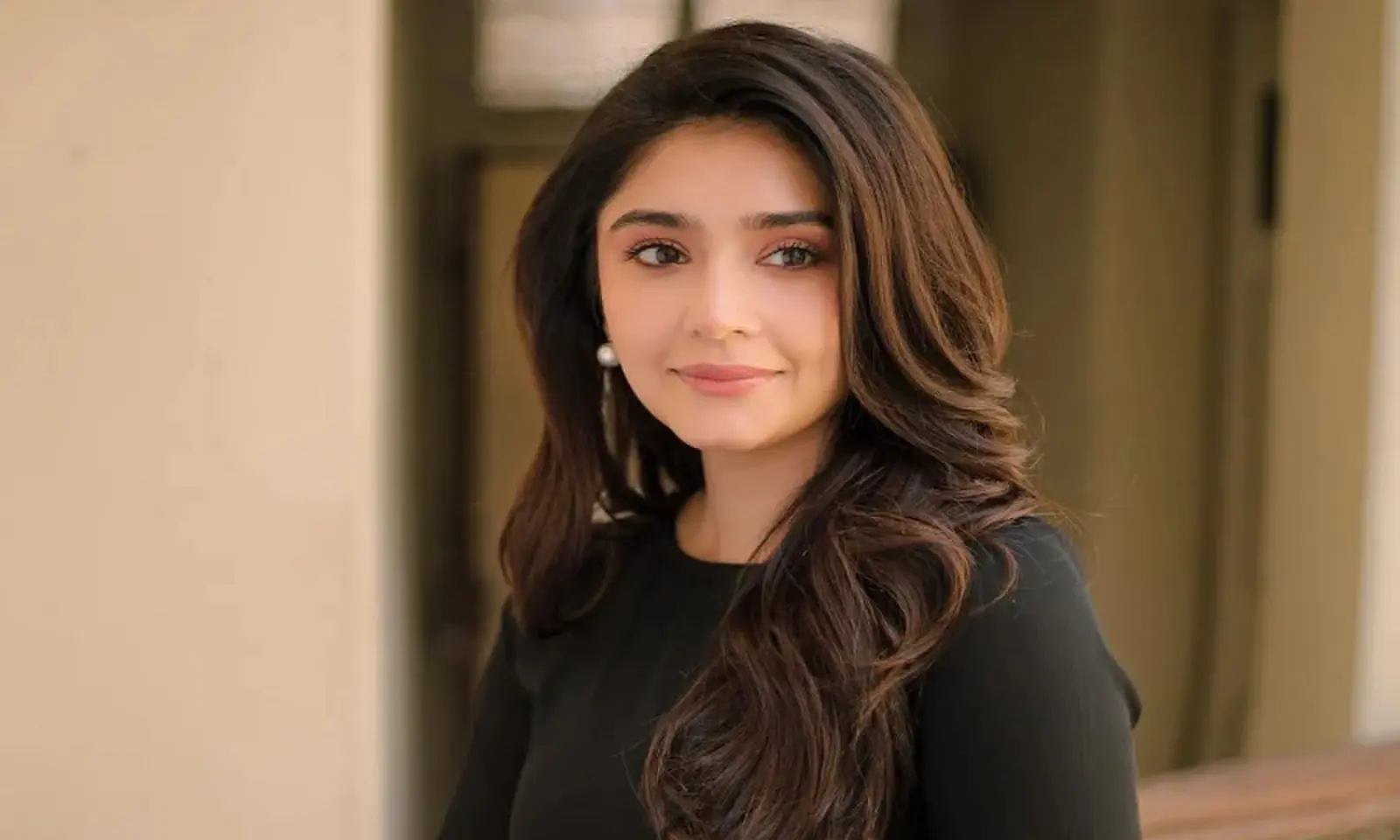

KARACHI: Pakistani actor Durefishan Saleem has spoken about the emotional struggles and controversial decisions of her character Zaryab in the drama serial Dar-e-Nijaat, saying the story explores heartbreak, self-worth, love and emotional healing.
In an interview with Khaleej Times, the actor discussed Zaryab’s relationship with Abu Bakr, played by Sheheryar Munawar, and the mixed reactions her character has received from viewers.
Durefishan said she was drawn to the role because it examines how heartbreak can affect a woman’s sense of identity and self-worth.
She explained that people who experience emotional pain in relationships may begin blaming themselves, questioning their value and struggling to recognise who they have become.
“With Zaryab, I was interested in the very human reality of what happens when a woman is shattered by someone she loves,” she said, adding that portraying the character did not mean endorsing her suffering or decisions.
The actor said her responsibility was to present the character honestly rather than influence how audiences should judge her actions.
She noted that discussions surrounding Zaryab and Abu Bakr had encouraged viewers to reflect on their own beliefs about love, emotional pain and healing.
Durefishan Defends Abu Bakr’s Character
Discussing Abu Bakr, Durefishan described him as a representation of gentleness, patience and emotional maturity.
She said such qualities should not be considered unrealistic simply because audiences may not encounter them frequently in television dramas.
According to the actor, an independent woman does not necessarily seek a partner to complete her life but rather someone with whom she can share the life she has already built.
She added that women who are considered strong and successful also need affection, reassurance and emotional support.
Durefishan said independence should not mean suppressing vulnerability or hiding the need for emotional care.
She described healthy love as a relationship in which individuals do not have to prove their strength constantly to deserve kindness and understanding.
Love Should Not Come at the Cost of Self-Respect
Reflecting on relationships and compromises, the actor said there was a difference between adjusting to understand a partner and abandoning personal values out of fear of losing someone.
She argued that repeatedly suppressing emotions, questioning one’s self-worth or changing one’s identity to maintain a relationship should prompt individuals to reconsider their priorities.
According to Durefishan, love should allow people to grow while retaining their individuality.
She also challenged the idea that moving on necessarily means forgetting someone completely, saying certain relationships leave lasting impressions even after they end.
The actor described healing as regaining control of one’s life rather than erasing memories of the past.
Actor Calls for More Creative Freedom in Pakistani Entertainment
Apart from discussing her role in Dar-e-Nijaat, Durefishan shared her views on the challenges facing Pakistan’s entertainment industry.
She acknowledged that television continued to enjoy a wide reach and a loyal audience but said opportunities to experiment with different genres, complex characters and alternative storytelling formats remained limited.
The actor also expressed frustration over the influence of television channels on creative decisions and the declining role of independent producers.
She said the dominance of channels in production and creative direction could restrict opportunities for actors and filmmakers to explore different approaches to storytelling.
Durefishan expressed interest in working in films and on over-the-top (OTT) platforms, adding that she wanted to choose projects that offered fresh creative challenges rather than change formats simply for the sake of it.
Through Zaryab’s character, the actor said she hoped to explore the impact of heartbreak on personal identity and the importance of rediscovering self-worth.

