

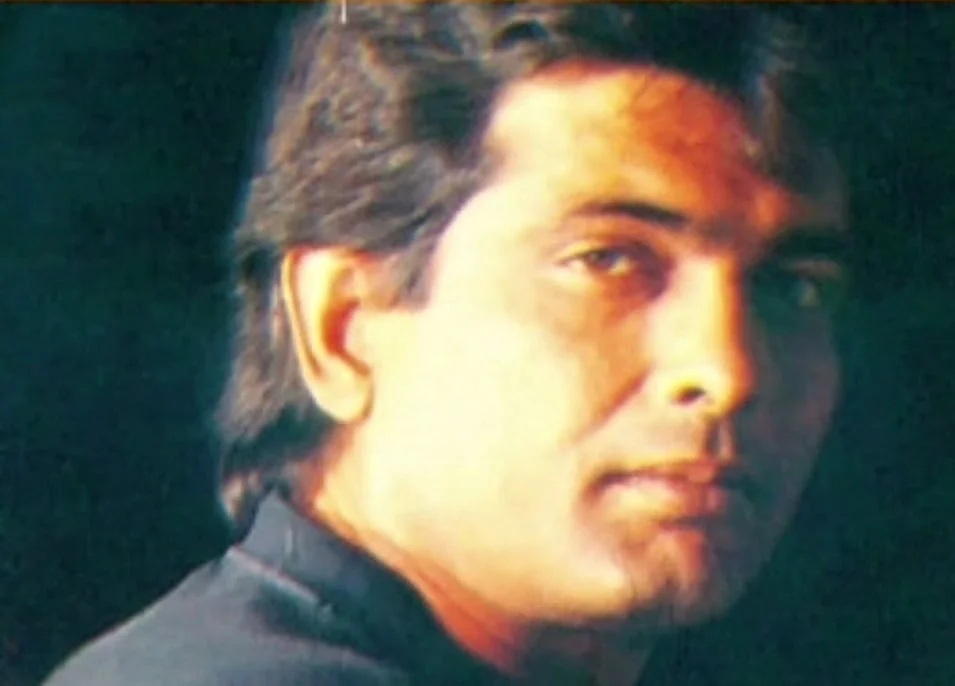

LAHORE MIRROR – Pakistan has lost a distinctive voice in its music industry. Mohsin Raza Khan, better known as Bunny, has died at the age of 74, leaving behind a musical legacy defined by his extraordinary voice, musical versatility, intellect and generosity toward younger artists.
For many listeners, Bunny will forever be remembered for the hauntingly beautiful “Dil Mein Tum, Aankhon Mein Tum, Sapno Mein Jane-Jaan.” The song became one of Pakistani pop music’s enduring hits, remaining popular across generations. But there was far more to Bunny than the song that brought him widespread recognition.
A gifted singer and music composer, Bunny was known for his exceptional musical understanding and intellectual depth. An avid reader, he possessed a sharp mind and a command of music that set him apart from many of his contemporaries. Combined with his almost divine baritone, it made him an artist whose voice was unmistakable.
Born on October 10, 1953, Bunny began his musical journey in Lahore in 1973, joining a band at a time when pursuing pop music in Pakistan was far from a secure career choice. He went on to perform across Europe, including Germany and Italy, gaining experience as a musician beyond Pakistan’s borders.
His debut album, Dil Mein Tum, arrived in 1989 and featured a blend of Urdu and English songs. Alongside its title track, Dear Martine was among the songs that helped define the album. His success was not limited to a single hit. Kon Ho Ga was also widely admired, while the album Deewana showcased a more mature sound, featuring memorable tracks such as Jeena Nahin and Bhangra Is King.
Bunny’s music reflected his versatility. Equally comfortable with bhangra and soft pop, he adapted to changing musical trends without losing his identity. He was among those artists who managed to evolve with Pakistan’s music scene while continuing to create songs that resonated with listeners.
He also took his craft seriously. For Dil Mein Tum, he had the melody but wanted the right words. He travelled from Karachi to Lahore specifically to obtain the lyrics from Master Manzoor. That journey reflected how much importance he attached to getting a song right.
Yet perhaps his most enduring contribution was not just the music he created, but the opportunities he gave others.
His studio on Tariq Road became a welcoming space for young musicians who wanted to experiment and record but could not afford the costs. Bunny allowed emerging artists to use it without charge. Mizmaar benefited from his generosity during its early days, while Imran Momina and Shallum Xavier were among the musicians who found a creative home there.
Bunny had reportedly been living in the United States in recent years. His death was confirmed by his friend Shafaat Ali, who said the singer had been battling tongue cancer for nearly three decades.
Mohsin Raza Khan leaves behind songs that people will continue to revisit, but also a legacy of generosity, mentorship and a willingness to make room for others in an industry that can often be unforgiving.
Some artists leave behind a catalogue. Bunny left behind a catalogue, memories, and a place for others to begin.

