




Amar Guriro
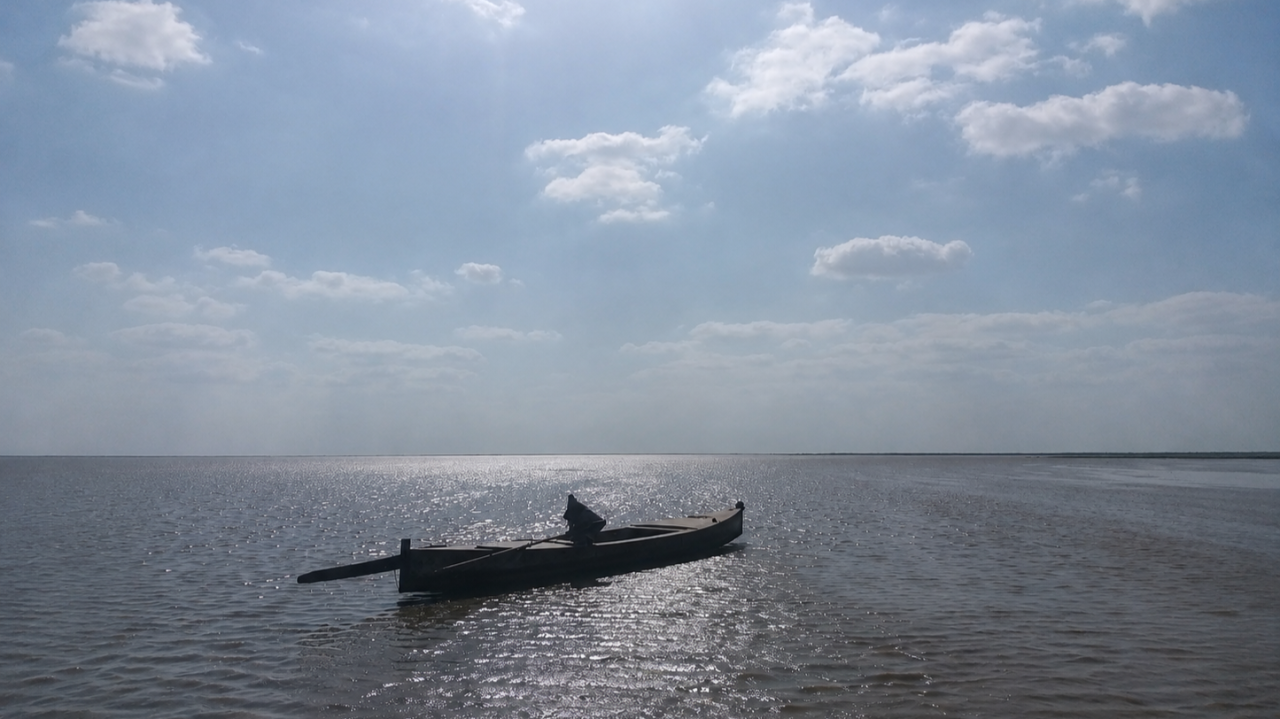
Badin: Standing on the exposed bed of Nareri Lagoon in Badin district, close to the Pakistan-India border, it is difficult to imagine that this landscape has long been an important wetland for migratory waterbirds. Nareri, also known as Nareri Lagoon, is part of the lower Indus Delta and is recognised internationally as a wetland of importance under the Ramsar Convention. It was designated a Ramsar Site in 2001.
Nareri is located in the coastal belt of Badin and forms part of the wider wetland system of the Indus Delta, where lagoons, creeks, mudflats and other coastal habitats are connected through a complex interaction of freshwater, tides, seasonal rainfall and the Arabian Sea.
One of Nareri’s greatest ecological values is its importance for migratory birds. Sindh lies along the Indus Flyway, one of the major migration routes used by birds travelling between breeding grounds in northern Eurasia and wintering areas farther south. Wetlands across Sindh provide feeding, resting and wintering habitats for thousands of migratory waterbirds.
Annual waterfowl surveys conducted by the Sindh Wildlife Department demonstrate the continuing importance of Nareri. During the winter 2025-26 survey, 171,171 migratory birds were recorded at Nareri Lagoon, the highest number recorded at any of the 30 sites covered by the survey.
The surveys have recorded a wide range of waterbird species, including northern shoveler, common pochard, tufted duck, Eurasian wigeon, cotton pygmy goose, garganey, northern pintail, ferruginous pochard, common coot, red-crested pochard, gadwall, marbled teal, greylag goose and bar-headed goose.

Bird numbers and the extent of open water at Nareri, however, have not remained constant. During the winter 2022-23 survey, 100,766 birds were recorded at the lagoon. Reports and assessments over different periods have also documented water shortages and environmental degradation at Nareri and other wetlands across Sindh.
Satellite-based research provides evidence of the long-term changes taking place at the lagoon. One recent study found that the mapped wetland area of Nareri declined from approximately 88.12 square kilometres in 2000 to about 19.12 square kilometres in 2023. The study also recorded major changes in water-related indicators, pointing to a substantial transformation in the lagoon’s wetland conditions.
The decline of Nareri cannot be attributed to a single cause. Research and environmental assessments identify several pressures affecting wetlands in the lower Indus region, including reduced freshwater availability, changes in river flows, drought, rising temperatures, increasing salinity, seawater intrusion, pollution and changes in drainage systems.
One of the most important issues is the long-term alteration of the Indus River’s natural flow. The lower Indus Delta depends on freshwater reaching its downstream areas, particularly the flow below Kotri Barrage. Scientific studies have linked inadequate and inconsistent environmental flows below Kotri with the deterioration of the delta’s ecosystems.
A substantial portion of the Indus River’s water is diverted through barrages and irrigation networks for agriculture. As a result, significantly less freshwater reaches the lower river and delta than historically did. Reduced freshwater flows can allow seawater to move farther inland, increasing salinity and affecting freshwater habitats, soils, vegetation and aquatic life.
The effects of reduced river flows extend beyond individual lakes. Seawater intrusion and increasing salinity have implications for the Indus Delta’s mangroves, fisheries, agricultural land, freshwater resources and the livelihoods of local communities. The reduction in the amount of sediment carried by the river is another major concern for the long-term stability of the delta’s coastal environment.

Nareri has also faced problems associated with drainage and pollution. Government and environmental documents have raised concerns about agricultural and industrial effluents reaching wetland areas through drainage systems. Some assessments have identified drainage channels carrying polluted water towards the Nareri wetland system.
The ecological importance of Nareri is also connected with the livelihoods of surrounding communities. Fishing and other activities associated with the wetland have historically provided income for local people. Changes in water availability and the condition of the wetland have affected these activities as well.
Despite these changes, it would be inaccurate to describe Nareri as a completely destroyed or dead lake. There is strong evidence of a substantial reduction in its wetland extent, but the presence of 171,171 migratory birds during the 2025-26 survey demonstrates that the area continues to function as an important habitat for waterbirds.
The broad mudflats and shallow water visible today offer a glimpse of this changing landscape. Coastal wetlands naturally experience seasonal changes in water levels, and the extent of open water at Nareri can vary with rainfall, freshwater inflows and tides. A photograph taken at one particular time therefore cannot represent the lagoon’s entire annual condition. However, the long-term reduction documented through satellite analysis indicates a much larger environmental change beyond normal seasonal fluctuations.
Nareri’s story is fundamentally a story about water. The condition of the lagoon is connected not only to local rainfall and tides but also to the overall flow of the Indus River and the amount and timing of freshwater reaching the lower delta.
Its location adds to its importance. Nareri lies within the lower Indus Delta and close to the coastal and border landscape of southern Sindh. Its Ramsar designation recognises its international ecological importance, while the thousands of migratory birds that continue to arrive each winter demonstrate that the wetland still retains significant ecological value.
The future of Nareri is closely linked to the future of the wider Indus Delta. How much freshwater reaches the delta, how environmental flows are maintained, and how effectively wetlands are protected from pollution, salinity and other pressures will determine whether places such as Nareri can continue to support migratory birds, fish, wildlife and surrounding communities.
The landscape may appear almost empty today, but Nareri is not an empty place. It is part of a much larger wetland system whose ecological importance has survived decades of environmental change. Its shrinking water and wetland extent is a warning about the condition of the Indus Delta, while the continued presence of large numbers of migratory birds is a reminder that Nareri still has an important ecological role.

