

By Areeka Khan
Drug addiction is one of the most serious challenges facing our society, yet it is still widely misunderstood. Too often, addiction is dismissed as a bad habit, a moral failure or simply a matter of personal choice. This way of thinking not only oversimplifies a complex problem but also prevents people from seeking the help they desperately need.
There are many reasons why a person may begin using drugs. Stress, depression, family problems, emotional pain, trauma and, in some cases, genetic vulnerability can all play a role. For someone struggling to cope with overwhelming circumstances, drugs may initially appear to offer an escape. What begins as an attempt to numb pain can gradually develop into dependence and addiction.
This does not mean that addiction should be excused. It means that it should be understood. Behind many cases of addiction is a person who may be struggling with problems that others cannot see.
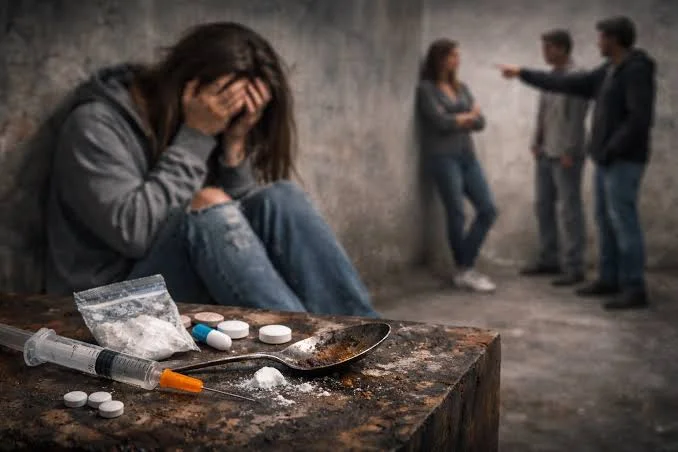
Unfortunately, society often responds to addiction with rejection and harsh judgment. Families may become frustrated, friends may distance themselves, and communities may treat addicts as people who have brought their problems upon themselves. Such attitudes can make an already difficult situation even worse. When people fear humiliation and rejection, they are less likely to speak openly about their struggles or ask for professional help.
Punishment and condemnation alone cannot solve this crisis. What we need is a more compassionate and practical approach. People suffering from addiction need access to healthcare, counselling, rehabilitation and emotional support. Families also need guidance so that they can respond to addiction without encouraging harmful behaviour or abandoning their loved ones.
Most importantly, we must create communities where people feel safe discussing their fears, insecurities and emotional struggles before those problems become overwhelming. A person should not have to reach the point of addiction before someone asks, “Are you okay?”
Changing our attitude towards addiction does not mean ignoring responsibility. It means recognizing that recovery is possible and that people deserve a chance to rebuild their lives.
If we genuinely want to address drug addiction as a crisis in our society, the change must begin with us. Instead of asking why someone became an addict, perhaps we should also ask what pain they were trying to escape—and whether we could have been there to help.
Areeka Khan

