

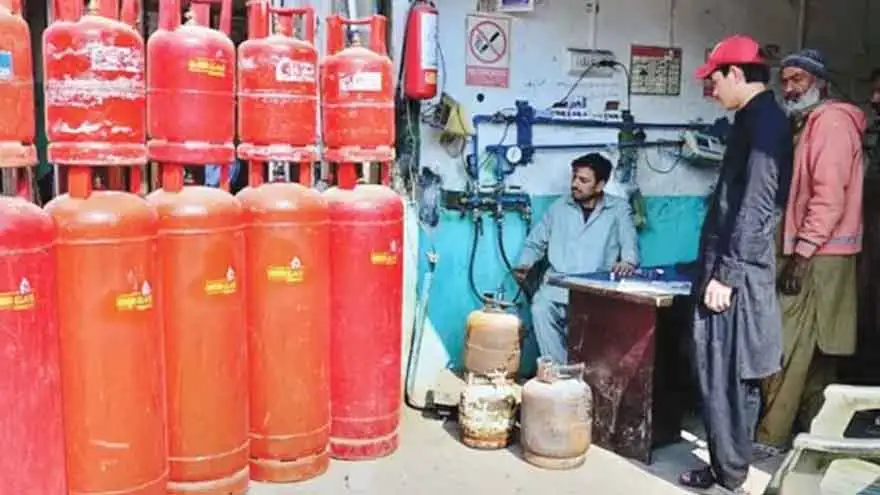

LAHORE MIRROR — Pakistan is facing a sharp rise in liquefied petroleum gas (LPG) prices. Consumers and businesses in several parts of the country are paying far more than the official rate. Supply disruptions, import constraints and alleged profiteering have added to the crisis.
According to the Oil and Gas Regulatory Authority (OGRA), the official LPG price is around Rs295 per kilogram. However, prices in the open market are much higher in some areas. Reports suggest LPG is being sold for between Rs550 and Rs700 per kilogram.
The growing gap between official and market prices has raised serious concerns. The situation is becoming more difficult as Pakistan enters the winter season and energy demand rises. Many households and businesses depend on LPG because pipeline gas is either unavailable or unreliable.
Federal Energy Minister Ali Pervaiz Malik has acknowledged that LPG is being sold in the open market at prices well above the official rate. He linked the crisis partly to supply disruptions following the closure of Pakistan’s western borders. He said the uncertainty created opportunities for hoarding and profiteering.
According to the minister, supply problems had started even before winter. Border closures affected LPG imports from Iran. He said some sellers took advantage of the situation and pushed prices close to Rs700 per kilogram.
Malik also highlighted deeper problems in Pakistan’s LPG sector. These include weaknesses in the import system and limited storage facilities. Pakistan also depends on specialized pressurized containers to import LPG.
The country lacks adequate facilities for larger gas-carrying vessels. It also has limited capacity to store large volumes of imported LPG. These problems make it difficult to ensure a stable supply.
Pakistan’s daily LPG demand is between 6,500 and 7,000 tones. Domestic production, however, is only around 2,000 to 2,500 tones. The large gap leaves Pakistan heavily dependent on imports.
The price increase is also putting pressure on restaurants, hotels, tandoors and other small businesses. Many commercial establishments rely entirely on LPG because pipeline gas is unavailable or unreliable. Higher fuel prices are increasing operating costs and putting struggling businesses under further pressure.
The government is now preparing a new policy to increase competition in the LPG sector. It also aims to reduce the influence of a limited number of importers and suppliers.
Four state-owned entities — Pakistan State Oil, PARCO LPG, Pakistan LNG Limited and Sui Southern Gas LPG — have been directed to take part in LPG imports.
The government believes that higher imports and greater competition could help reduce prices to around Rs450 per kilogram. Private companies will also be allowed to import LPG. Meanwhile, the existing quota system is being phased out.
Under the proposed policy, locally produced LPG will be sold through an auction-based system. The government also plans to create a special fund. The fund will help provide subsidized LPG to eligible low-income consumers through the Benazir Income Support Program.
However, industry representatives remain skeptical about an immediate drop in prices. They say global LPG prices, taxes, terminal charges and other government levies continue to increase costs for consumers.
Industry figures have called for lower taxes and charges. They believe such measures could provide quicker relief and help stabilize Pakistan’s LPG market.

