

Dhaka–Riyadh diplomatic tensions deepen as Bangladesh demands details following the executions of two Bangladeshi nationals over an alleged immoral act inside a mosque.
DHAKA / RIYADH – Bangladesh has sought answers from Saudi Arabia after the kingdom executed two Bangladeshi nationals, Nazerul Islam Abdul Basir and Siti Akhtar, in Mecca on October 14, 2026, without notifying Dhaka in advance.
According to BBC News, Bangladesh said it had not been informed before the executions. The incident has raised diplomatic concerns over consular protection, the treatment of foreign workers and Bangladesh’s ability to safeguard its citizens under Saudi Arabia’s judicial system.
Why Saudi Arabia Executed the Two Bangladeshis
According to the Saudi Press Agency (SPA), the Saudi Ministry of Interior announced that the two Bangladeshis had been arrested following an investigation into what authorities described as an “indecent and immoral act” that violated the sanctity of a mosque in the Mecca region.
Saudi authorities justified the death sentences by citing the seriousness of the alleged offence and the sanctity of the place and time.
The precise circumstances of the incident were not fully detailed in the initial public announcements. Social media speculation included claims that the individuals were a newly married couple executed for displaying affection in public. However, these claims remain unverified and should not be treated as established facts.
The sentences were reportedly imposed under ta’zir, a category of Islamic jurisprudence that allows judicial discretion in determining punishment for certain offences. Saudi authorities said the sentences had completed the required judicial process before being carried out under a royal order.
Bangladesh Says It Received No Advance Notification
The absence of advance notification has become the central issue in the diplomatic dispute.
According to BBC News, Bangladesh said Saudi Arabia had not informed it before executing its two citizens. The Daily Star, in its October 19 report on the case, also examined the diplomatic implications and the difficulties Dhaka faces in protecting its nationals abroad.
Bangladeshi officials were reportedly aware of an investigation involving the two individuals months earlier but said they had not received notification that the proceedings had concluded or that the executions were imminent.
The case has raised questions about Article 36 of the Vienna Convention on Consular Relations, which establishes rights concerning communication between detained foreign nationals and their consular representatives, including notification when a detained person requests it.
Whether the circumstances amounted to a breach of specific international obligations requires examination of the relevant facts and legal provisions. The absence of advance notice alone does not automatically establish a treaty violation.
For Bangladesh, the key concern is whether its officials had a meaningful opportunity to obtain information about the proceedings and provide consular assistance before the sentences were carried out.
Dhaka Launches a Diplomatic Protest
Bangladesh’s Ministry of Foreign Affairs has taken several steps to seek clarification from Riyadh.
The Bangladeshi mission in Saudi Arabia submitted a formal diplomatic communication, known as a note verbale, to the Saudi Ministry of Foreign Affairs, requesting an explanation and comprehensive details of the cases.
Bangladesh Secretary for East and West Md Nazrul Islam also held an urgent meeting with Saudi Ambassador to Bangladesh Abdullah Zafer H bin Abiyah to seek information about the judicial proceedings.
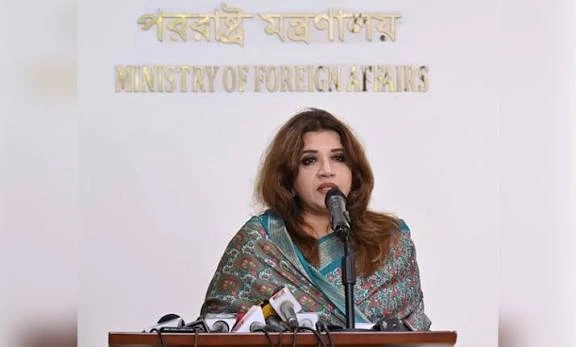
State Minister for Foreign Affairs Shama Obaed Islam said Bangladesh was awaiting a detailed account of the trials before deciding on further action. The government must also address the practical and diplomatic arrangements for repatriating the victims’ bodies.
The diplomatic response reflects the pressure on Dhaka to demand accountability while avoiding a wider deterioration in relations with Riyadh.
New Details: Saudi Arabia Shared a Prisoner List
A report published by The Daily Star on October 19, 2026, has revealed that the two Bangladeshis appeared on a list of approximately 2,500 prisoners that Saudi Arabia had previously shared with Bangladesh’s mission in the kingdom. However, the list did not disclose that they had been sentenced to death.
According to the newspaper, Bangladesh’s Consulate General in Jeddah had requested information about Bangladeshi prisoners in the region in September. Saudi authorities subsequently provided a list that included the names of the two individuals but did not specify their verdicts.
A Bangladeshi consular official told The Daily Star that one entry listed “adultery” as the alleged offence, while the other used the abbreviation “ICT”. The official said the information was insufficient to connect the entries to the two people who were later executed.
The official also explained that receiving a list of prisoners did not allow the consulate to provide immediate assistance to everyone named. The mission periodically visits prisons to provide consular services, and some interventions have helped secure reduced sentences.
According to the official, neither of the two Bangladeshis had requested consular assistance.
The revelations raise questions about whether the information provided by Saudi authorities was sufficient for Bangladesh to identify cases requiring urgent intervention. They also highlight the challenges faced by diplomatic missions in following up on large numbers of detained nationals without detailed information about their cases and sentences.
Dhaka Seeks Details From Saudi Ambassador
The Daily Star reported that State Minister for Foreign Affairs Shama Obaed Islam said on Saturday that Saudi Arabia had not notified Dhaka before executing the two citizens.
Following the executions, Bangladesh’s mission in Saudi Arabia sent information to the Foreign Ministry stating that the two individuals had been accused of committing adultery inside a mosque in Mecca.
Saudi authorities subsequently arrested, tried, sentenced and executed them. Dhaka learned of the executions only after they took place on October 14.
According to The Daily Star, Saudi Ambassador Abdullah Zafer H bin Abiyah was asked on Sunday to provide details about the cases. Bangladesh also handed him a physical copy of the note verbale that had previously been transmitted electronically.
The Bangladeshi Foreign Ministry has asked its mission in Saudi Arabia to provide all available information so the government can establish where communication or follow-up may have failed.
The distinction is important: although the consulate had received a list containing the two names, Bangladeshi officials say it did not disclose the death sentences or provide enough information to link the entries to an imminent execution.
Millions of Bangladeshi Workers Depend on Saudi Arabia
The dispute carries significant economic implications because Saudi Arabia is a major destination for Bangladeshi migrant workers.
More than three million Bangladeshis live and work in Saudi Arabia, according to figures cited in reports surrounding the case. Many are employed in construction, domestic service, agriculture and other lower-paid occupations.
Their earnings support families at home and contribute to Bangladesh’s foreign-exchange inflows through remittances. This dependence creates a difficult balancing act for the Bangladeshi government: it must defend its citizens’ rights while protecting workers’ livelihoods and maintaining access to Saudi employment opportunities.
Diplomatic tensions between labour-exporting countries and host states can create concerns about visa processing, work permits and deportations. However, there is no established evidence that Saudi Arabia has imposed retaliatory measures against Bangladesh following these executions.
The episode illustrates the unequal leverage between a country whose economy relies partly on overseas employment and a wealthy host nation with substantial influence over migrant workers’ legal and professional circumstances.
Saudi Arabia’s Wider Use of the Death Penalty
The executions have also drawn attention to Saudi Arabia’s broader use of capital punishment.
Amnesty International has repeatedly raised concerns about the kingdom’s application of the death penalty and the fairness of criminal proceedings.
According to figures cited in the supplied Associated Press (AP) report, Saudi Arabia executed 356 people in 2025 and had carried out more than 170 executions by the time of the October 2026 reporting. These figures should be checked against the original AP report and independent monitoring data before publication.
Around the same period, Saudi authorities announced the executions of five Saudi nationals convicted in terrorism-related cases, according to official announcements.
Saudi Arabia maintains that its judicial system operates in accordance with Islamic law and that punishments are intended to uphold public order and morality. Human rights organisations, however, have called for greater transparency, stronger procedural safeguards and clearer information about capital cases.
A Test for Bangladesh–Saudi Relations
The executions have exposed the limits of diplomatic goodwill when the protection of overseas citizens collides with a host country’s judicial authority.
The new details reported by The Daily Star add another dimension to the dispute: Bangladesh’s mission had received a prisoner list containing the two names, but officials say it did not disclose their death sentences. Dhaka is now seeking a full account of the proceedings and reviewing whether its consular follow-up could have been more effective.
The immediate questions concern the circumstances of the alleged offence, the judicial proceedings, communication between the two governments and the return of the victims’ bodies. The broader issue is whether Bangladesh can secure more reliable notification and protection for its citizens working abroad.
The dispute may remain contained through diplomatic channels, but its outcome will matter beyond the two individuals involved. For Bangladesh, it is a test of how effectively it can defend its citizens overseas while managing a relationship on which millions of livelihoods depend. The response from Riyadh will be important in determining how the matter develops diplomatically.

