

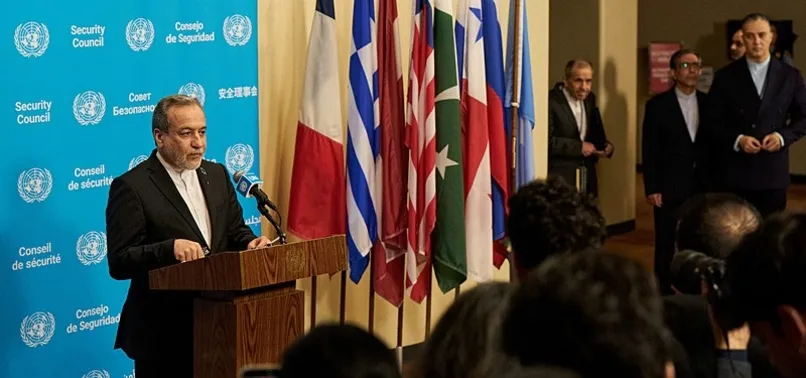
Cairo/Washington: Iran says diplomacy remains the only way to resolve its conflict with the United States and Israel after US President Donald Trump rejected Tehran’s proposal to reopen the Strait of Hormuz and halt fighting.
Iranian Foreign Minister Abbas Araqchi said Tehran’s conditions for reopening the strategic waterway were clear and that progress depended on reaching a negotiated agreement.
Iran had presented a peace proposal at the United Nations General Assembly in New York, with the plan transmitted to Washington through Qatari mediators. The proposal included a seven-day countdown toward reopening the Strait of Hormuz and pausing regional fighting.
Trump, however, said he had rejected the proposal, arguing that Iran was seeking an immediate reopening of the waterway because of the pressure it was facing. Despite his public remarks, Araqchi said Iranian officials had not yet received a formal rejection from the mediators and were waiting for Washington’s definitive response.
The dispute comes as the conflict has severely disrupted shipping through the Strait of Hormuz, a critical route for global energy supplies. The confrontation has also affected oil flows and placed further pressure on the global economy.
Iran has indicated that broader negotiations could follow an agreement on Hormuz, potentially including discussions over its nuclear program. But a senior Iranian official told Reuters that Tehran would not make concessions on what it considers its rights, including uranium enrichment or the removal of highly enriched uranium from the country.
President Masoud Pezeshkian said Iran was prepared to discuss its nuclear program and other issues but would not accept what he described as pressure, threats or coercion. He reiterated that Iran was not seeking war but would defend itself against attacks.
The conflict, which began with US and Israeli attacks on Iran on February 28, has since gone through periods of fighting and pauses. Iran and its regional allies have also expanded attacks across the Middle East, including strikes by the Houthis against Saudi interests.
Saudi Arabia said on Saturday that its forces had intercepted two ballistic missiles and two drones launched by the Houthis toward the kingdom.

