

Cairo/New York: (Reuters) Iran is waiting for a US response to its proposal to reopen the Strait of Hormuz and halt fighting across the Middle East within seven days.
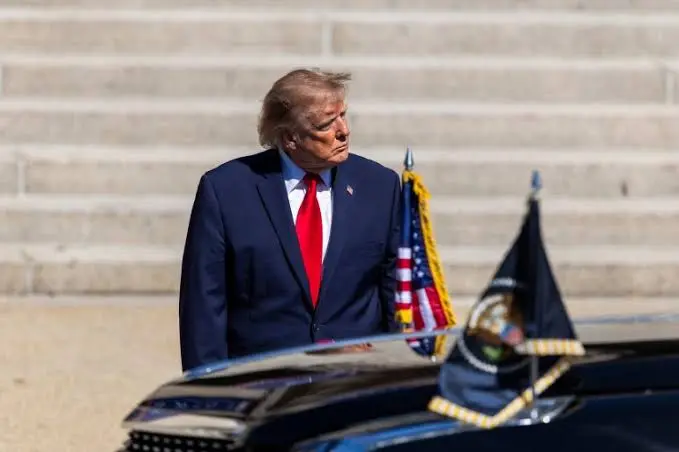
The proposal came as the regional war continued to disrupt energy supplies and shipping. A Wall Street Journal report, cited by Reuters, said US President Donald Trump had rejected the plan.
Iran Offers Seven-Day Plan
Iran presented the initiative during the UN General Assembly in New York. Tehran reportedly sent the proposal to Washington through Qatari mediators.
Under the plan, Iran would reopen the Strait of Hormuz. The move would start a seven-day countdown toward a wider halt in fighting.
Iranian Foreign Minister Abbas Araqchi said Tehran was ready to move ahead if Washington showed serious interest in a deal. He said the plan could also lead to broader talks on issues agreed by both sides.
Trump Reportedly Rejects Proposal
The Wall Street Journal reported that Trump had rejected the Iranian proposal. The report said Trump remains skeptical that Tehran would meet US demands.
It also said Trump had told his staff that he sees a renewed bombing campaign as likely after the November US midterm elections. The report cited unnamed US officials.
However, a US official earlier described indirect talks with Iran as “positive and constructive.”
Nuclear Talks Remain a Key Issue
The Iranian proposal could also open talks on Tehran’s nuclear program.
Washington has said Iran must not develop a nuclear weapon. Tehran, however, says it will not give up what it considers its nuclear rights.
An Iranian official told Reuters that Tehran would not accept restrictions on uranium enrichment or the removal of its highly enriched uranium.
President Masoud Pezeshkian said Iran was ready to discuss its nuclear program and other issues. But he rejected what he called “bullying or coercion.”
Pezeshkian said Iran was not seeking war. He added that Tehran would defend itself against threats and attacks.
Araqchi said Iran’s wider plan would also stop fighting on all fronts, including Lebanon. In return, Tehran wants Washington to lift its blockade on Iranian ports, release frozen Iranian funds and waive oil sanctions.
Saudi Arabia Faces Houthi Attacks
The conflict is also increasing pressure on Saudi Arabia.
Araqchi briefed Saudi Foreign Minister Prince Faisal bin Farhan on an understanding between Iran and Oman over safe shipping through the Strait of Hormuz.
At the same time, Iran-linked Houthi fighters have continued attacks against Saudi Arabia.
Saudi authorities said they intercepted two ballistic missiles launched toward Khamis Mushait. They also intercepted two drones heading toward Riyadh.
The Houthis have targeted Saudi cities, energy infrastructure and shipping. Their attacks have added pressure to global oil supplies and threatened another major route for Gulf exports.
Pakistan, Türkiye and Saudi Arabia Coordinate
The growing regional tensions have also increased security cooperation between Saudi Arabia, Pakistan and Türkiye.
Defense officials from Pakistan and Türkiye met in Riyadh on Friday. They discussed intelligence sharing, military coordination and the integration of forces.
The meeting followed talks between the foreign ministers of Saudi Arabia, Pakistan and Türkiye under the Makkah Joint Defense Agreement.
The fighting is also worsening Yemen’s humanitarian crisis. UNICEF said acute malnutrition among children has increased as violence intensifies.

